
⚖️ Facebook $5B FTC penalty: what it required of Mark Zuckerberg
Zuckerberg must certify privacy compliance each quarter; a false one risks civil and criminal penalties. The charges are allegations. 📌
 By MrMoney, business desk · Desk editor Laima Ērkšķe-Kreicberga · · 4 min read
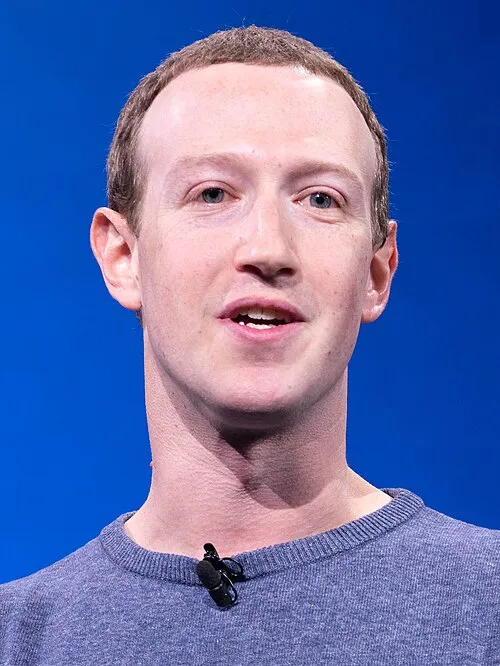 SETTLEDPhoto: Anthony Quintano from Westminster, United States · CC BY 2.0
What we know
- The FTC said on July 24, 2019 that Facebook will pay a $5 billion penalty to settle charges that it violated a 2012 FTC order, the largest privacy penalty ever imposed on any company, per the agency.
- The FTC alleges Facebook used deceptive disclosures and settings that let users' data reach third-party apps downloaded by their Facebook friends.
- The 20-year order creates an independent privacy committee of the board, removing what the FTC calls Zuckerberg's "unfettered control" over privacy decisions.
- Zuckerberg and designated compliance officers must file quarterly and annual compliance certifications; the FTC says any false certification brings individual civil and criminal penalties.
- Facebook's own response to the final order is not in the documents read; Facebook and the FTC declined to comment when the Guardian reported the vote in July 2019.
Facebook agreed in July 2019 to pay a $5 billion penalty to settle Federal Trade Commission charges that it violated a 2012 FTC order by deceiving users about their control over personal information, the FTC said in a July 24, 2019 press release. The agency called it the largest privacy penalty ever imposed on any company. The order did something less common than the number: it wrote Mark Zuckerberg's name into the compliance machinery.
The charge: a 2012 promise, an alleged breach
The 2012 order barred Facebook from misrepresenting the privacy or security of users' information and required a reasonable privacy program, the FTC's business blog says. The FTC alleges Facebook then repeatedly used deceptive disclosures and settings to undermine users' privacy preferences, which allowed personal information to reach third-party apps downloaded by users' Facebook friends. Per the FTC blog, the tools involved carried feel-good names: "Privacy Shortcuts" and "Privacy Checkup."
The Guardian reported that the FTC's investigation began in March 2018, after the Observer revealed that Cambridge Analytica had improperly obtained the private information of more than 50 million Facebook users. The FTC separately filed an administrative complaint against Cambridge Analytica, which it says deceived consumers. The FTC's release says the company had filed for bankruptcy and had not settled.
By the numbers
- 15 mofrom first to latest entry on record
- 7receipts behind this story
What the order required of Zuckerberg
According to the FTC's press release, the order establishes an independent privacy committee of Facebook's board, "removing unfettered control" by Zuckerberg over decisions affecting user privacy. Committee members must be independent, are appointed by an independent nominating committee, and can be fired only by a supermajority of the board.
Facebook must also designate compliance officers responsible for its privacy program. Per the FTC, the new committee approves them and only the committee can remove them, not the CEO or Facebook employees.
Then comes the signature. The FTC says Zuckerberg and the designated compliance officers must independently submit quarterly certifications that the company complies with the privacy program, plus an annual certification of overall compliance with the order. Any false certification, the FTC says, will subject them to individual civil and criminal penalties.
"The magnitude of the $5 billion penalty and sweeping conduct relief are unprecedented in the history of the FTC."
FTC Chairman Joe Simons, FTC press release, July 24, 2019
The rest of the paperwork
The FTC release says Facebook must run a privacy review of every new or modified product, service or practice before launch, and document its decisions. The program covers WhatsApp and Instagram. Incidents in which the data of 500 or more users was compromised must be documented and delivered to the FTC and the assessor within 30 days of discovery.
An independent assessor must review the privacy program every two years, using its own fact-gathering rather than relying primarily on management's assertions, and report quarterly to the board committee, per the FTC. The FTC business blog adds that phone numbers collected for security cannot be used for advertising, and that Facebook must give clear notice of facial recognition use and get express consent before a materially different use.
The money, set against the money
The FTC says the $5 billion penalty is almost 20 times greater than the largest privacy or data security penalty ever imposed worldwide. The same release says Facebook's targeted advertising generated most of its $55.8 billion in revenues in 2018. The FTC business blog notes the penalty goes to the U.S. Treasury, not the FTC, and says the agency probably could not have won a bigger civil penalty in court.
Critics were less impressed. The Guardian reported that the Wall Street Journal and the Washington Post, citing anonymous sources, said the FTC vote was 3-2 along party lines, and that Facebook and the FTC declined to comment. The Guardian also reported that Facebook had earlier said it expected a fine of between $3bn and $5bn, and that its stock rose more than 1% when the news broke.
"This reported fine is a mosquito bite to a corporation the size of Facebook"
Senator Ron Wyden, quoted by The Guardian, July 12, 2019
Matt Stoller of the Open Markets Institute called it "a parking ticket," the Guardian reported. The FTC's own account is that the penalty and conduct terms were designed to change Facebook's "entire privacy culture."
Facebook's side, and the other bills
Facebook's statement on the final order is not in the documents read. Its public posture on the underlying scandal is. Zuckerberg told Congress in April 2018, as the Guardian reported: "I started Facebook, I run it, and I'm responsible for what happens here." The 2019 order turned that sentence into a filing requirement.
The FTC penalty was not the only bill. CNBC reported that Facebook also agreed around the same time to pay $100 million to settle SEC allegations of misleading disclosures about the risk of user-data misuse. The BBC reported that Facebook agreed in October 2019 to pay a £500,000 fine to the UK data regulator with no admission of liability. CNBC reported in December 2022 that Meta agreed to pay $725 million to settle a class action, and that the company did not admit wrongdoing.
MrMoney's reading of the ledger: the $5 billion is a one-time line item. The certification is a recurring one, and money can pay the first but not sign the second.
Earlier on file: Biggest FTC settlements ranked: Facebook $5B, Amazon Prime · Progress Residential and Pretium to pay $49.75M in FTC case · Equifax agreed to pay at least $575M over 2017 data breach
The Mark Zuckerberg file
- Filed
FTC order requires Zuckerberg to file quarterly and annual privacy compliance certifications. This story
- Reported
Told Congress: "I started Facebook, I run it, and I'm responsible for what happens here," per the Guardian. This story
On file: The Mark Zuckerberg file · The Cambridge Analytica file · The Federal Trade Commission file · The Meta Platforms file
The Ledger
On the record
- The FTC said on July 24, 2019 that Facebook will pay $5 billion and accept a 20-year order, settling charges that it violated its 2012 order; Zuckerberg and compliance officers must certify compliance.
Still rumour
- Facebook's own statement on the final order, and whether it admitted the FTC's allegations, are not confirmed in the documents read.
- What Zuckerberg's certifications say, or whether any has been challenged, is not in the documents read.
That's the record. The rest is rumour. - MrMoney
Next on the docket
More Business Business ·
💸 Biggest Ticketmaster fee settlements: $400M tentative credit
WSJ reported a tentative $400M credit for 50M buyers; a Buffalo News column put the voucher pot at $10M. Cash deals run far smaller. ⏳
 Business ·
⚖️ Amazon Ring: FTC order seeks $5.8M over employee video access
The FTC says Ring let staff view customer videos; Ring denies breaking the law, and a judge's sign-off is unconfirmed.
 Business ·
⚖️ Nvidia China chip smuggling cases: $2.5B alleged, 9 charged
Taiwan charged nine over forged papers; the US alleges $2.5B in servers. Supermicro says it is not a target; no verdict is on record. ⏳
 PENDINGPhoto: Zachary Caraway · Pexels License
⚖️ Jensen Huang faces subpoena threat from House China committee
Rep. Moolenaar says Huang has until end of Wednesday to answer a briefing request. No public reply was found in the reports read. ⏳